
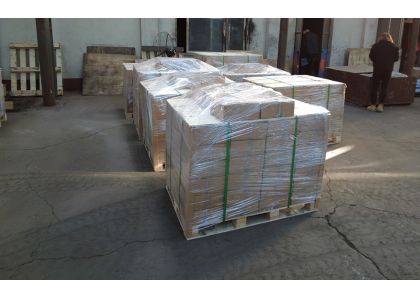
In the manufacturing and construction industries, hot-dip galvanized screws are widely used due to their excellent corrosion resistance. However, even high-quality hot-dip galvanized screws may suffer damage or performance degradation if they are not properly handled during transportation. To avoid these problems, it is crucial to understand and follow the precautions for transporting hot-dip galvanized screws.
Firstly, hot-dip galvanized screws need to be protected from moisture and rain during transportation. Although the hot-dip zinc coating provides a certain level of rust protection, it can still be damaged in a humid environment. Therefore, during transportation, the screws must be kept dry, and this can be achieved by using sealed plastic bags or foam packaging to isolate moisture.
Secondly, the screws should be protected from impact and friction during transportation. The friction between the screws can cause the coating to wear down, and impact can lead to deformation or fracture of the threads. To reduce this risk, the screws should be properly placed in containers with sufficient cushioning materials, such as wooden boxes or cardboard boxes, and ensure that the space inside the containers is adequate to avoid excessive compression.
Thirdly, the stacking method of hot-dip galvanized screws also needs to be considered. Incorrect stacking not only easily causes screw deformation but also makes the screws on the lower layer bear excessive pressure. The correct approach is to use layer-by-layer storage, with partitions or soft padding separating each layer to reduce weight pressure.
Finally, considering that hot-dip galvanized screws may be affected by temperature changes, temperature control during transportation is also important. Extreme temperature fluctuations can cause the coating to crack or peel, so it is best to avoid exposing the screws to excessively high or low temperatures.
In conclusion, the protective measures for hot-dip galvanized screws during transportation cannot be ignored. From moisture and rain protection to avoiding mechanical damage, from proper stacking to temperature control, and choosing the right transportation method, every detail can affect the quality of the screws. Only by providing comprehensive and meticulous protection can the safety of hot-dip galvanized screws during transportation be ensured, thereby guaranteeing their performance and lifespan during use.

 1
1