
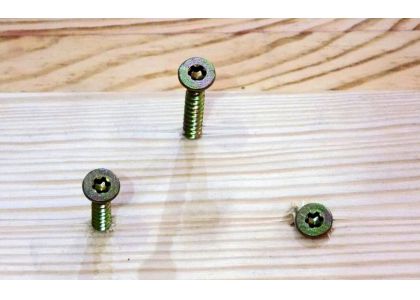
Definition and use of countersunk head self-tapping screws
Countersunk head self-tapping screw is a kind of fastener widely used in construction, furniture, electrical appliances and other industries. It is made of steel or stainless steel. The surface is galvanized or sprayed, which has the characteristics of corrosion resistance and durability. It is mainly used for fixing and pressing on wood or soft materials.
Countersunk head self-tapping screw single line and double line difference
Countersunk head tapping screws are divided into two types: single line and double line. The most significant difference between the two is the number and location of the scratch lines.
1. Single line countersunk head self-tapping screw
Single-wire countersunk head tapping screws have only one scratch line and are used to fix individual boards or connect with other building materials. It is usually used in furniture, wood flooring and other fields.
2. Double line countersunk head self-tapping screws
Double-wire countersunk head self-tapping screws have two scratch lines for fixing two or more boards or other building material connections. It is usually used in doors, window frames, wooden houses and other fields.
Both have countersunk head design, which can effectively reduce the damage to the surface of the wood and not easy to hurt the hand.
Countersunk head self-tapping screw application considerations
1. Before use, it is necessary to check whether the quality and length of the screw meet the requirements, to avoid bending or too short/too long, which will lead to difficulties in use and safety risks.
2. The use scenario of countersunk self-tapping screws requires wood with sufficient hardness and density to ensure stable connection effect.
3. The number and position of nails should be set reasonably according to the needs to avoid loose or unstable fixation caused by omission or waste.

 1
1