
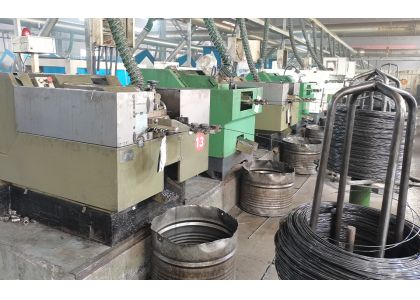
The processing techniques for metal screws are a precise manufacturing process that involves various technologies and equipment. Here are some common processing techniques for metal screws:
Material selection: First, we need to select the appropriate material to manufacture the screws. Common materials include carbon steel, stainless steel, and copper alloys. These materials have different properties and characteristics, and can be selected based on actual needs.
Cold heading process: Cold heading is a common metal forming process that shapes the metal material into the desired screw shape through pressure. The cold heading process can increase the density and strength of the material, and is suitable for manufacturing high-strength screws.
Heat treatment: Heat treatment is a process that changes the properties of metal materials by heating and cooling. Through heating and cooling processes, the hardness, toughness, and wear resistance of the screws can be improved. Common heat treatment processes include annealing, normalizing, quenching, and tempering.
Surface treatment: To improve the corrosion resistance and appearance of the screws, we need to treat the surface of the screws. Common surface treatment processes include galvanizing, nickel plating, chromium plating, phosphating, and oxidation.
Thread processing: The thread is an important component of the screw and needs to be precisely processed to ensure the reliability of the connection. Thread processing techniques include cutting, rolling, and threading, and the appropriate processing method can be selected based on the material and precision requirements.
Quality inspection: Quality inspection is an important step in the screw processing process. Through various inspection equipment and methods, such as hardness testing, torque testing, and tensile testing, the performance and quality of the screws are ensured to meet standards.
Packaging and storage: Finally, we need to package and store the processed screws to protect them from damage and corrosion. Packaging materials and methods need to be selected based on the type and purpose of the screws.

 1